
Roof Storm Damage Checklist
No matter where you live in the Atlanta metro area, Georgia's severe weather can pose serious risks to your home's roof. From thunderstorms with damaging winds to hailstorms and heavy rainfall, storms can cause significant damage to roofs and other exterior home surfaces. Understanding how to identify roof storm damage and knowing what steps to take after severe weather can save you time, money, and stress.
What To Do After a Storm
How do you identify roof damage after a major storm, and what should your next steps be? This resource guide will help you understand the types of roof storm damage common in the Atlanta area and provide a clear action plan for protecting your home. Download and save this checklist for quick reference whenever severe weather strikes.
Types of Roof Storm Damage in Georgia
Wind Damage
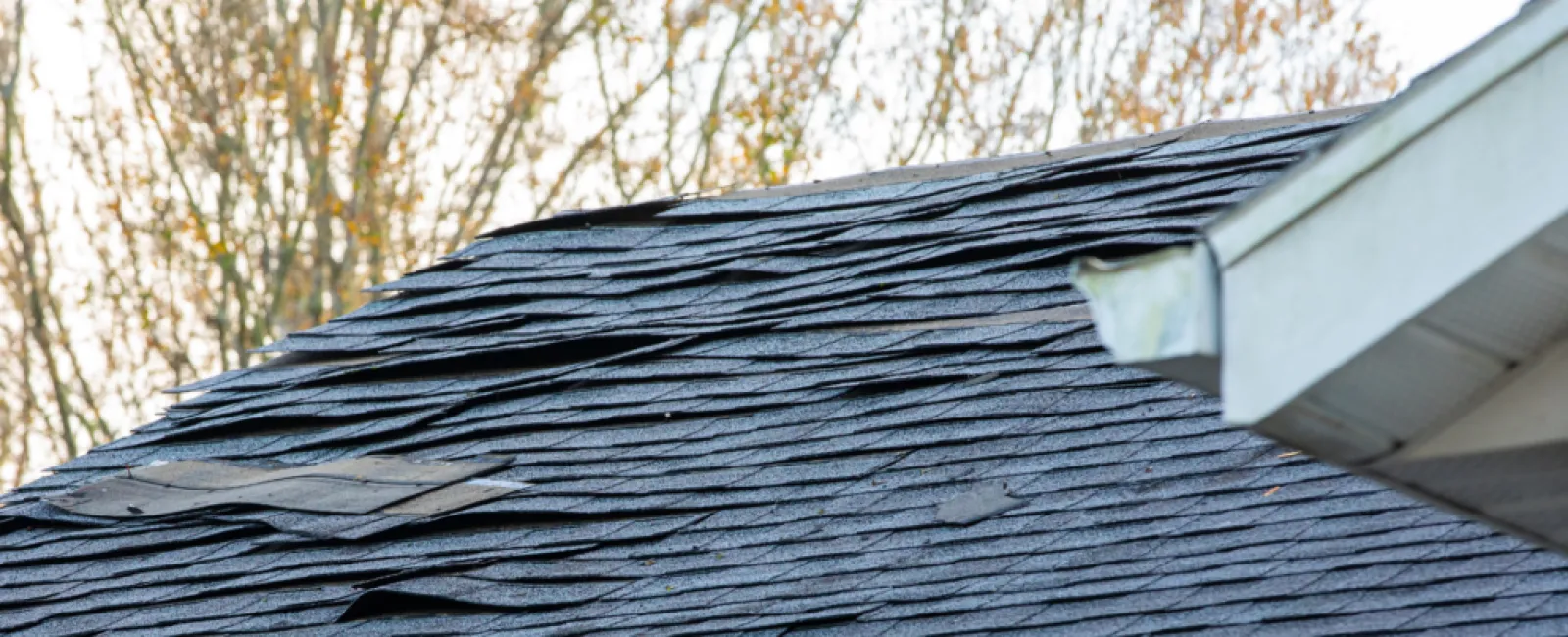
Georgia experiences severe thunderstorms with straight-line winds that can reach speeds of 60 mph or higher, and occasionally tornadoes. High winds can tear off or remove shingles, leaving your roof's underlayment, deck, or waterproofing material exposed to the elements.
Even during less severe storms, sudden wind gusts can lift and curl shingles. Since shingles are installed with an intentional overlap to create a water-tight seal, this lifting and curling can break the seal and leave your roof vulnerable to water intrusion from wind-driven rain.
Hail Damage
Atlanta and surrounding areas experience periodic hailstorms, particularly during spring and summer months. While hailstorms are typically brief, rarely lasting more than 15 minutes, hailstones can leave dents or pockmarks in shingles and knock loose the protective granules on your roof. These granules protect your roof against rain, UV rays, and sun damage. Hail damage not only compromises your roof's protective capabilities but can also ruin its aesthetic appearance.
Standing Water and Poor Drainage
After Georgia's heavy rainstorms, roofs without proper drainage can experience problems with standing water, especially in low-lying or uneven areas. Clogged gutters can cause rainwater to back up under your shingles, allowing moisture to potentially penetrate the underlayment or roof deck, leading to leaks and water damage inside your home.
Storm Debris
Depending on the severity of the storm, debris ranging from small branches to large tree limbs can end up on your roof. Large objects can dent or impact the shingle surface, leaving that area vulnerable to moisture intrusion. Even lighter branches should be removed to prevent damage and allow for proper roof inspection.
Your Roof Storm Damage Checklist
Use this checklist to help you understand the type of damage your roof may have sustained and evaluate whether you need repairs or a complete roof replacement.
Schedule a Professional Roof Inspection
Safety always comes first. Contact a trusted, professional roofing contractor like EXOVATIONS to schedule a thorough inspection and damage assessment. Many contractors offer free inspections and have the training and equipment to safely evaluate your roof for storm damage.
Roof Inspection: Visually assess your roof by walking around the perimeter of your house. Keep detailed notes and take photographs from the ground—this documentation can be helpful later for insurance claims.
Look for these signs of visible storm damage:
- Dented, torn, curled, or missing shingles
- Displaced or damaged flashing around chimneys and vents
- Granules collecting in gutters or downspouts
- Sagging areas or visible dips in the roofline
- Exposed underlayment or roof deck
Gutters, Vents, and Windows: Check for dents on your home's gutters and roofing accessories such as gable vents, ridge vents, and other overhangs. Inspect windows for cracks, broken glass, loose weatherstripping, and torn screens.
Exterior Areas: Walk around your home's exterior and document fallen tree limbs, missing fence posts, or damage to outdoor items. Flat surfaces such as patios, decks, and AC units can be checked for hail damage.
Attic and Interior Ceilings: Check your attic and interior ceilings for leaks and water spots. While your roof might appear undamaged from the outside, wind and hail can cause hidden leaks. Use a flashlight to inspect dark areas of your attic, looking for:
- Water stains or wet insulation
- Light coming through the roof deck
- Mold or mildew growth
- Drips or moisture during or after rain
Hire a Dependable, Trusted Roofing Contractor
It's essential to work with a contractor you can trust. After a large regional storm, roofing companies may compete for your business by offering deals that seem too good to be true—and they usually are. Some out-of-town "storm chasers" may provide substandard work and then disappear.
EXOVATIONS is an Atlanta-based roofing company with decades of combined experience. We're committed to providing superior roof replacement and repair services with expert craftsmanship and high-quality materials.
A trusted roofing contractor can:
- Assess your damage with a professional, trained eye
- Provide detailed, transparent estimates on repair costs
- Help you understand whether repair or replacement is the best option
- Work directly with your insurance company on your behalf
- Complete repairs or replacement with quality materials and workmanship
Questions to Ask Your Roofing Contractor
When choosing a reliable roofing contractor, ask these important questions:
- Are you licensed and insured to work in Georgia?
- Can you provide references from recent storm damage projects?
- What warranties do you offer on materials and workmanship?
- How long have you been serving the Atlanta area?
- Can you help with the insurance claim process?
- Do you use subcontractors, and if so, are they also licensed and insured?
Look for contractors who are locally established, have strong online reviews, offer comprehensive warranties, provide clear written estimates, and are properly licensed, bonded, and insured.
Call Your Homeowners Insurance Provider
If you discover significant damage to your home after a storm, contact your homeowners' insurance provider right away so you can properly file a claim according to their specific requirements.
Your insurance company's representatives can help you file a claim, explain your deductible and out-of-pocket costs, send an insurance adjuster to evaluate the damage, and provide compensation based on your policy coverage.
Be prepared to share the notes and photographs you collected during your damage assessment.
Important Insurance Tips:
- File your claim as soon as possible after discovering damage
- Keep all documentation of the damage and repairs
- Get multiple estimates if your insurance company requires it
- Don't make permanent repairs until the adjuster has inspected the damage
- Understand the difference between actual cash value and replacement cost coverage
- Ask about coverage for interior damage caused by roof leaks
Temporary Protective Measures
While waiting for professional inspection and repair, take temporary measures to prevent further damage:
- Place buckets or containers under active leaks
- Cover damaged areas with tarps (only if you can do so safely from the ground)
- Move valuables away from areas with water damage
- Document all damage with photos and video
Never attempt to climb on your roof yourself, especially during or immediately after a storm. Roofs can be slippery, damaged, and dangerous.
Protecting Your Atlanta Home
Don't wait until the next storm to think about your roof's condition. Regular maintenance and inspections can help identify potential vulnerabilities before severe weather strikes. If your home has sustained roof storm damage, use this checklist to guide your next steps and contact EXOVATIONS for a free professional inspection.
Our team of certified roofing professionals is ready to help Atlanta homeowners assess damage, navigate insurance claims, and restore their roofs with quality workmanship and materials. Whether you need minor repairs or a complete roof replacement, EXOVATIONS has the experience and commitment to excellence to protect your most valuable investment—your home.
Contact EXOVATIONS today for your free roof inspection and experience the difference that expert roofing solutions can make.


