
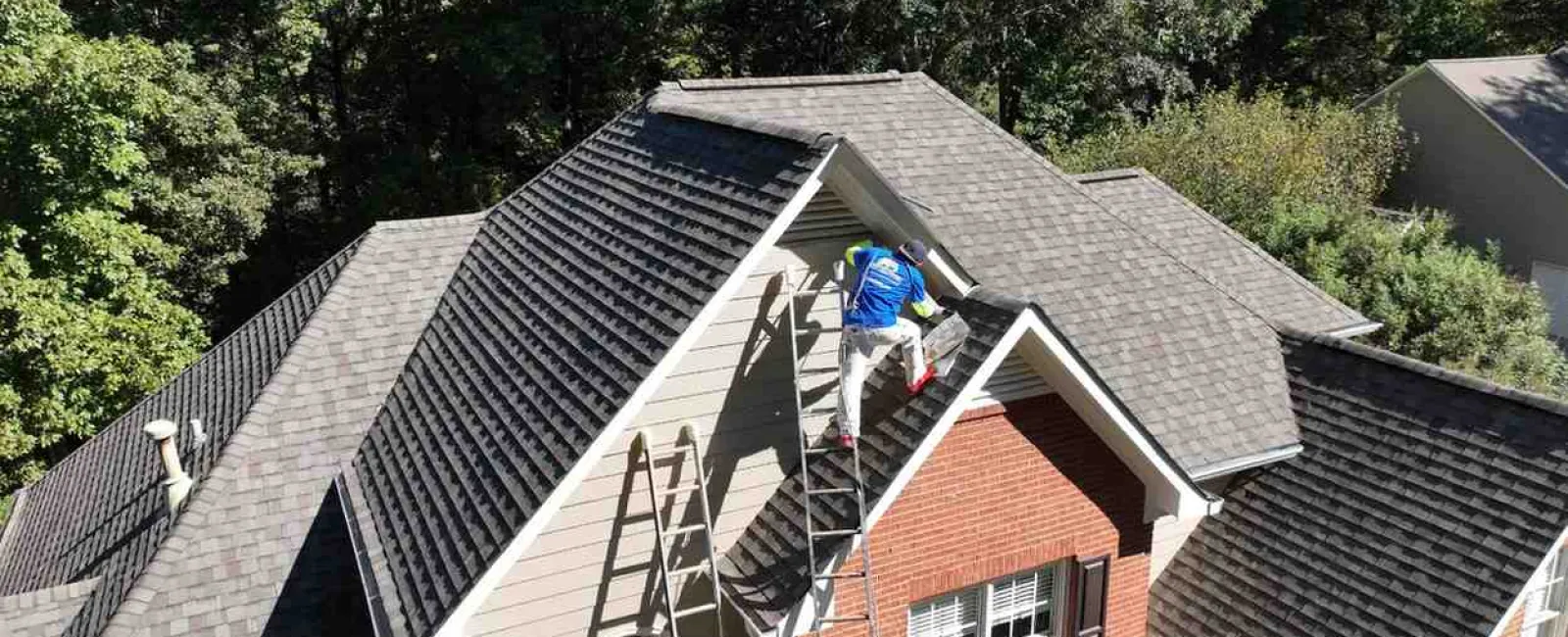
Choosing a roofing contractor requires verifying proper licensing, insurance coverage, local experience, and written warranties before signing any contract. The right contractor will provide detailed written estimates, maintain clear communication throughout your project, and stand behind their work with comprehensive guarantees that protect your investment for years to come.
Finding a qualified roofing professional protects you from costly mistakes, ensures your roof installation or repair meets local building codes, and gives you peace of mind knowing the work will last. A reputable contractor brings expertise in material selection, proper installation techniques, and knowledge of regional weather challenges that affect roof performance. The contractor you select will influence not only the immediate quality of your roof but also its longevity, your home's resale value, and whether you'll face expensive repairs within the first few years.
Understanding Contractor Licensing and Insurance Requirements
Every legitimate roofing contractor must carry proper licensing for your state and comprehensive insurance coverage that protects both you and their workers. General liability insurance covers property damage that might occur during your roofing project, while workers' compensation protects you from liability if a crew member gets injured on your property. Without these protections, you could face devastating financial consequences if something goes wrong during installation.
Request copies of both insurance certificates and verify them directly with the insurance company rather than accepting documents at face value. Some contractors present expired or fraudulent certificates, leaving homeowners vulnerable to lawsuits from injured workers or uninsured property damage. Your contractor should willingly provide their license number, which you can verify through your state's licensing board website within minutes.
Licensing requirements vary significantly by state, with some requiring specific roofing contractor licenses while others accept general contractor credentials. Understanding your local requirements helps you identify contractors who meet minimum legal standards versus those cutting corners. A contractor resistant to providing licensing or insurance information raises immediate red flags that should end your consideration of their services.
Evaluating Experience and Specialization
Roofing contractors with five or more years of continuous operation demonstrate stability and expertise that newer companies cannot match. Look for professionals who specialize in residential roofing rather than those juggling commercial projects, remodeling, and roofing simultaneously. Specialists understand the nuances of residential roof systems, from proper ventilation requirements to the specific installation techniques that prevent common failure points like ice dams and wind damage.
Ask potential contractors about their experience with your specific roof type, whether that's asphalt shingles, metal roofing, tile, or flat roof systems. A contractor who primarily installs asphalt shingles may lack the specialized knowledge required for proper metal roof installation, which demands different fastening techniques, expansion joint planning, and waterproofing approaches. The wrong installation method can void manufacturer warranties and lead to premature failure even when using premium materials.
Regional experience matters because roofing requirements differ dramatically based on local climate. A contractor familiar with your area understands local building codes, knows which materials perform best in your climate, and recognizes regional challenges like heavy snow loads, hurricane-force winds, or intense UV exposure. When a contractor from another region offers an unusually low bid, they often lack understanding of local requirements that prevent roof failure under your specific weather conditions.
Assessing Reputation Through Multiple Channels
Online reviews provide valuable insights, but smart homeowners verify contractor reputation through multiple sources rather than relying solely on Google ratings or testimonials. Check the Better Business Bureau for complaint history, review patterns on multiple platforms to identify consistent issues, and ask for references from projects completed within the past year. Recent references matter more than decade-old success stories because they reflect current business practices, crew quality, and customer service standards.
Contact at least three references and ask specific questions about communication quality, whether the contractor stayed within budget, how they handled unexpected issues, and if the homeowner would hire them again. Generic positive comments mean less than detailed responses about problem-solving and professionalism. Drive by completed projects in your neighborhood if possible to assess workmanship quality, cleanliness of the installation, and whether the roof's appearance matches what you envision for your home.
Professional affiliations with organizations like the National Roofing Contractors Association (NRCA) or manufacturer certification programs indicate a contractor invests in ongoing education and industry best practices. Manufacturer certifications are particularly valuable because companies like GAF, CertainTeed, and Owens Corning only certify contractors who meet strict installation standards and maintain positive customer feedback. These certifications often unlock extended warranty options that non-certified contractors cannot offer.
Comparing Written Estimates and Proposals
Legitimate roofing contractors provide detailed written estimates that itemize materials, labor costs, project timeline, and payment schedules rather than offering vague verbal quotes. A comprehensive estimate specifies the exact roofing materials by brand name and model, includes costs for necessary permits, details the scope of work including tear-off and disposal, and outlines what happens if installers discover underlying damage during removal.
Never accept estimates that pressure immediate decisions or expire within hours. Professional contractors understand that homeowners need time to review multiple bids and make informed decisions. Be wary of estimates significantly lower than competitors because they often indicate inferior materials, inadequate insurance coverage, or plans to cut corners during installation. When one bid comes in thirty percent below others, the contractor is either desperate for work or planning to use substandard practices that will cost you more through premature failure or warranty issues.
Compare not just total prices but also material quality specifications, warranty terms, and payment structures. The lowest bid using economy-grade shingles with a basic warranty offers less value than a moderately higher bid featuring premium materials with comprehensive coverage. Payment terms should never require full payment upfront, with standard practice involving a deposit of one-third, another third at project midpoint, and final payment upon satisfactory completion and inspection.
Recognizing Communication and Professionalism Standards
How contractors communicate during the bidding process predicts how they'll behave once you've signed a contract and handed over your deposit. Professional contractors return phone calls promptly, answer questions thoroughly without becoming defensive, and provide clear explanations when you don't understand technical aspects. They arrive on time for appointments, present themselves professionally, and treat your home respectfully during walkthroughs.
Pay attention to whether contractors listen to your concerns or immediately push their preferred solutions without considering your input. A quality contractor asks about your priorities, explains options with pros and cons, and helps you make decisions that align with your budget and long-term goals. They educate rather than sell, explaining why certain materials or approaches make sense for your specific situation rather than using high-pressure tactics to close the deal.
Written communication matters as much as verbal exchanges. Professional contractors send follow-up emails confirming discussions, provide written answers to questions, and document any changes to the original agreement. This documentation trail protects both parties and prevents misunderstandings that lead to disputes. Contractors who refuse to put things in writing or become evasive when asked for written confirmation often operate unprofessionally once the project begins.
Understanding Warranty Coverage and Guarantees
Roofing warranties involve two separate components: manufacturer warranties covering material defects and contractor workmanship warranties protecting against installation errors. Material warranties vary dramatically, ranging from basic coverage that only replaces defective shingles to comprehensive warranties covering complete roof replacement if materials fail prematurely. Understanding exactly what the manufacturer covers, how long coverage lasts, and what actions void the warranty protects you from unexpected expenses.
Workmanship warranties from your contractor cover installation errors that cause leaks or premature failure, with quality contractors offering guarantees lasting at least five years. Some exceptional contractors provide workmanship warranties extending ten years or more, demonstrating confidence in their installation quality. Get all warranty terms in writing before signing contracts, and understand that verbal promises mean nothing if unexpected issues arise years later.
Warranty registration requirements often surprise homeowners who assume coverage automatically begins after installation. Many manufacturer warranties require registration within a specific timeframe after completion, with failure to register resulting in downgraded coverage. Ensure your contractor explains registration procedures and provides all documentation needed to properly register your warranty. Some contractors handle registration as part of their service, while others expect homeowners to manage this critical step independently.
Identifying Red Flags and Avoiding Scams
Storm chasers who appear immediately after severe weather often operate without proper licensing, use aggressive sales tactics, and disappear once they collect deposits. These contractors typically target multiple neighborhoods simultaneously, offer prices that seem too good to pass up, and pressure homeowners into immediate decisions by claiming limited-time offers or special deals available only today. Once they collect deposits from dozens of homeowners, they either perform shoddy work using inferior materials or vanish entirely without completing projects.
Avoid contractors who discourage you from getting multiple bids, refuse to provide references, or cannot produce verifiable insurance certificates. Legitimate professionals welcome competition because they're confident in their services and understand that educated homeowners make better clients. Contractors who operate solely from cell phones without established business addresses, company vehicles, or professional websites often lack the stability and resources needed to stand behind their work long-term.
Cash-only payment demands represent another significant warning sign since legitimate businesses accept multiple payment methods and provide proper invoicing for tax purposes. Contractors insisting on cash payments often avoid taxes, lack proper insurance, or plan to abandon the project after receiving deposits. Never pay the full amount upfront regardless of excuses about material costs or crew scheduling, as this removes your leverage if quality issues arise or the contractor fails to complete work satisfactorily.
Reviewing Contracts Before Signing
Every roofing contract should clearly specify the complete scope of work, exact materials to be used, project start and completion dates, total cost with payment schedule, and procedures for handling changes or disputes. Read contracts thoroughly before signing rather than skimming through pages of legal language, and don't hesitate to ask questions about confusing clauses or terms. Quality contractors expect questions and provide clear explanations rather than rushing you through the signing process.
Contracts should address several critical elements that protect your interests: who obtains necessary permits, how weather delays affect the timeline, procedures for discovering additional damage during tear-off, disposal methods for old materials, and cleanup standards after completion. Without these details in writing, you lack recourse if the contractor's expectations differ from yours regarding these important project elements.
Before signing, verify that the contract matches the written estimate you received and approved. Some contractors present contracts with different terms, additional fees, or reduced services compared to initial proposals. Changes between estimate and contract should raise immediate concerns requiring explanation. Never sign contracts with blank sections to be "filled in later" or agreements contingent on insurance approval without seeing the final approved amount first.


