
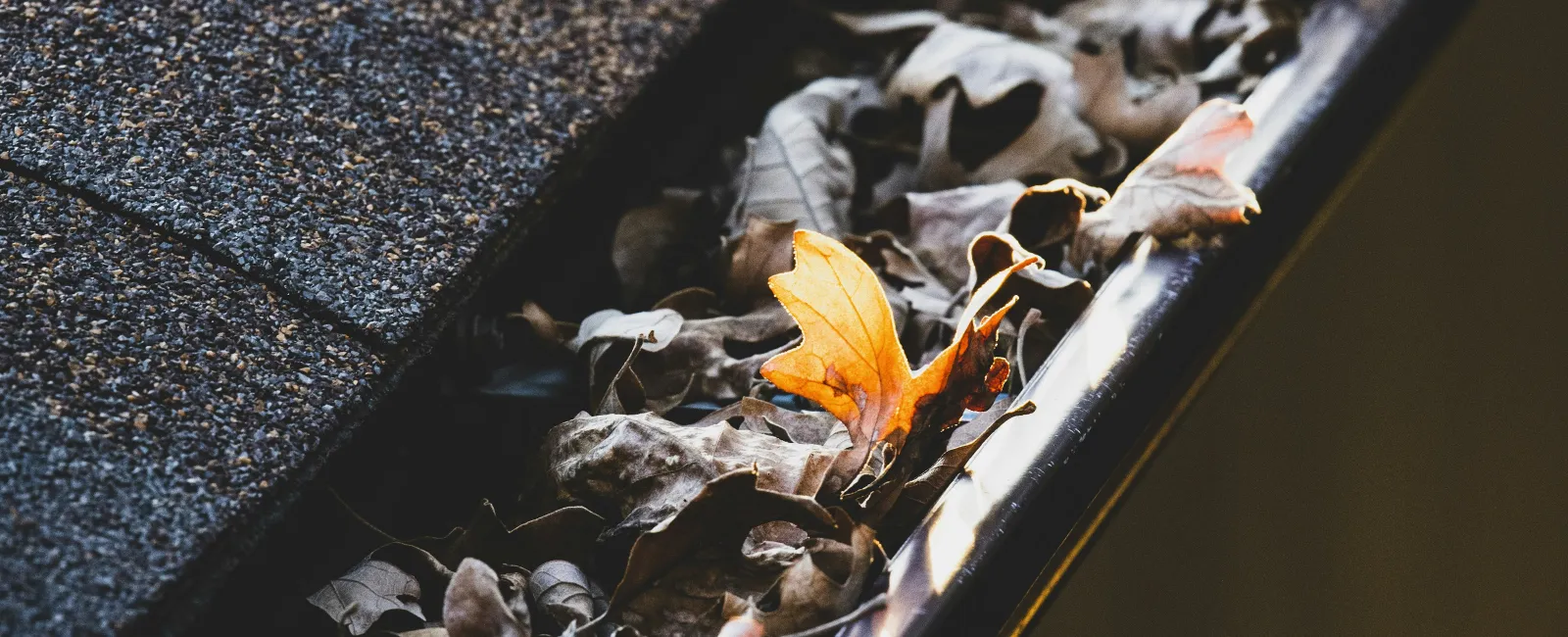
Your gutters are sagging. Water is pooling near your foundation after rainstorms. You've noticed rust spots or gaps between gutter sections. And you're wondering: is it time to replace the gutters, or can they be repaired?
Understanding the lifespan of gutters helps you make that decision before small problems turn into costly home damage. Water that doesn't drain properly can destroy your foundation, rot your fascia boards, damage your landscaping, and even cause basement flooding.
At EXOVATIONS, we've installed and replaced thousands of gutter systems across Georgia since 1996. We've seen gutters that lasted 30+ years and others that failed in under 10. The difference almost always comes down to material choice, installation quality, and maintenance.
Here's exactly how long different gutter materials last, what factors affect lifespan, and when it's time to replace rather than repair your gutters.
Gutter Lifespan by Material
The material you choose for your gutters dramatically impacts how long they will last.
Aluminum Gutters: 20-25 Years
Aluminum is the most popular gutter material in Georgia and across the United States, accounting for roughly 80% of residential gutter installations.
Why aluminum dominates:
- Lightweight but durable
- Won't rust (aluminum corrodes but doesn't rust like steel)
- Available in seamless configurations that minimize leaks
- Can be painted to match any home color
- Cost-effective compared to premium materials
- Easy to work with during installation
Expected lifespan: 20-25 years with proper maintenance, potentially 30 years in ideal conditions.
What affects aluminum gutter lifespan:
- Gauge thickness (thicker aluminum lasts longer)
- Seamless vs sectional construction (seamless lasts longer)
- Quality of installation (proper slope and secure mounting)
- Exposure to severe weather (high winds, ice, heavy rain)
- Maintenance frequency (cleaning and minor repairs)
For most Georgia homes, quality aluminum gutters from manufacturers like Mastic or Kaycan, professionally installed and maintained, will last the full 20-25 years or more.
Aluminum downspouts last even longer: Because downspouts experience less stress than horizontal gutters, aluminum downspouts often last 30 years or more. When replacing gutters, you may be able to keep existing downspouts if they're in good condition.
Copper Gutters: 50+ Years
Copper gutters are the premium choice for homeowners who want exceptional longevity and a distinctive appearance.
Expected lifespan: 50-100+ years. Copper gutters can literally outlast the house itself.
Why copper lasts so long:
- Copper doesn't rust or corrode in ways that compromise structural integrity
- The natural patina that develops actually protects the metal underneath
- Copper's strength allows it to handle snow loads and debris without bending
- Properly installed copper systems have soldered joints that rarely leak
The trade-offs:
- Initial cost is 3-5x higher than aluminum
- The patina color change (green/brown) isn't to everyone's taste
- Requires specialized installation skills
- Can develop green runoff stains on certain siding materials
- May attract thieves in some areas due to copper's scrap value
Copper makes sense for historic homes, luxury properties, or situations where an extremely long lifespan justifies the premium cost. For most Georgia homes, the return on investment doesn't justify copper unless appearance is a top priority.
Vinyl Gutters: 10-15 Years
Vinyl (PVC) gutters are the budget option. They're popular for DIY installations and rental properties where initial cost matters most.
Expected lifespan: 10-15 years, sometimes less in harsh conditions.
Why vinyl has a shorter lifespan:
- UV exposure causes brittleness and cracking (Georgia's sun is brutal)
- Temperature extremes cause expansion and contraction that loosen seams
- Cannot be repaired—damaged sections must be replaced
- Seams and joints are weak points prone to separation
- Not as structurally strong as metal options
When vinyl makes sense:
- Temporary housing situations
- Rental properties where the budget is critical
- DIY projects where installation cost savings matter most
- Covered porches with minimal sun exposure
For most Georgia homeowners planning to stay in their homes long-term, aluminum gutters offer better value despite higher initial costs.
Steel Gutters: 15-25 Years
Galvanized steel gutters were common decades ago, but have largely been replaced by aluminum in residential applications.
Expected lifespan: 15-25 years, depending heavily on coating quality and rust prevention.
The rust problem: Steel gutters will rust, especially where the protective coating is scratched or worn. In Georgia's humid climate, rust accelerates. Once rust starts, it spreads and compromises structural integrity.
Steel is still used in some commercial applications where exceptional strength is needed, but aluminum has replaced it for most residential installations.
Zinc Gutters: 50-80 Years
Zinc gutters are less common in the U.S., but they offer excellent longevity similar to that of copper.
Expected lifespan: 50-80 years.
Characteristics:
- Develops a protective patina like copper
- Self-healing properties (minor scratches seal themselves)
- Excellent corrosion resistance
- Premium pricing similar to copper
- Difficult to find installers with zinc experience
Zinc makes sense in the same situations as copper—high-end homes where long-term value and distinctive appearance justify premium costs.
Factors That Shorten Gutter Lifespan in Georgia
Even quality gutters won't reach their expected lifespan if certain factors accelerate wear.
Severe Weather
Georgia weather challenges gutters in multiple ways:
Heavy rain and thunderstorms: Our frequent afternoon thunderstorms dump large volumes of water quickly. Gutters that are undersized, improperly sloped, or clogged overflow, causing water to run behind the gutter and rot fascia boards.
High winds: Severe thunderstorms and occasional tropical systems can bring gusts strong enough to tear poorly secured gutters from fascia boards. Once gutters pull loose, water damage accelerates.
Ice and freezing: While Georgia winters are mild compared to northern states, we do experience periodic freezing. Ice dams can form in gutters, causing them to expand and bend aluminum or crack vinyl.
UV exposure: Georgia's intense summer sun is particularly hard on vinyl gutters, causing brittleness and cracking. Even aluminum can experience paint fade and chalking from UV exposure.
Poor Installation
Installation quality matters as much as material choice. Common installation mistakes that shorten gutter lifespan:
Incorrect slope: Gutters must slope toward downspouts at a rate of ¼ inch per 10 feet. Too little slope allows water to pool and accelerate corrosion. Too much slope looks bad and may not function properly.
Insufficient fasteners: Gutters should be secured every 24 inches or less. Insufficient fasteners allow gutters to sag and pull away from fascia boards.
Improper hanger type: Using cheap spike-and-ferrule hangers instead of hidden hangers or brackets reduces lifespan. The spikes work loose over time, especially in wood fascia.
Wrong gutter size: Undersized gutters (5-inch instead of 6-inch) overflow more frequently, causing water damage and stress to the system.
Poor seam sealing: In sectional gutters, improperly sealed seams leak from day one and only get worse over time.
Professional installation by experienced contractors like EXOVATIONS ensures gutters are sized correctly, sloped properly, and securely mounted for maximum lifespan.
Lack of Maintenance
This is the most common reason gutters fail prematurely. Neglected gutters accumulate debris, hold standing water, and develop problems that could easily have been prevented.
What happens when gutters aren't cleaned:
- Trapped debris holds moisture against gutter material, accelerating corrosion
- Weight of debris pulls gutters away from fascia boards
- Standing water causes rust in steel gutters and promotes algae growth
- Debris-filled gutters overflow, causing the exact water damage they're meant to prevent
- Downspouts clog, backing water up into gutters
Georgia-specific maintenance challenges:
- Heavy pollen in spring coats everything and can clog gutters
- Pine needles from Georgia's abundant pine trees pack densely in gutters
- Fall leaves from oaks, maples, and other deciduous trees
- Year-round growth means debris accumulation doesn't stop in winter
Tree Proximity
Trees near your home affect gutter lifespan in multiple ways:
Leaf and needle accumulation: Trees dropping leaves, needles, seeds, and twigs directly into gutters require more frequent cleaning and cause faster wear.
Branch damage: Overhanging branches can scrape gutters during wind events, damaging protective coatings and even bending gutter sections.
Moss and algae growth: Tree shade keeps gutters damp, promoting moss and algae that hold moisture against the gutter material.
Root damage: Tree roots growing near your foundation can shift the ground, affecting gutter downspout drainage.
Homes surrounded by trees may need twice-yearly gutter cleaning instead of annual cleaning, and may see gutters reach the end of their lifespan a few years earlier than tree-free homes.
Signs It's Time to Replace Your Gutters
Knowing when to replace rather than repair saves money and prevents home damage.
Replace (Don't Repair) If You See:
Multiple sections with holes or cracks: One small hole can be patched. Multiple holes or cracks indicate system-wide deterioration.
Widespread rust or corrosion: Surface rust might be cosmetic, but if you see rust holes or extensive corrosion, the gutters are structurally compromised.
Gutters pulling away from the house in multiple locations: This indicates either poor installation or rotted fascia boards. Either way, comprehensive replacement is usually more cost-effective than extensive repairs.
Sagging or standing water in multiple sections: Gutters should drain completely after rain. Standing water means incorrect slope or structural sagging that's difficult to fix without replacement.
Separated seams or joints throughout the system: In sectional gutters, failing seams often indicate system-wide age. Sealing one seam won't fix others that are about to fail.
Visible daylight between gutters and fascia: Large gaps indicate the gutters have pulled loose. This allows water to run behind gutters, rotting fascia boards and potentially damaging the roof edge.
Water damage to fascia, soffit, or siding: If your gutters have already caused visible damage to your home's exterior, they've been failing for a while. Replacement is necessary to prevent further damage.
The gutters are 20+ years old: Even gutters that look okay at 20+ years are nearing the end of their expected lifespan. Proactive replacement prevents the risk of sudden failure and water damage.
Repair (Don't Replace) If You See:
A single small hole or crack: This can be patched with gutter sealant or a patch kit.
One loose or separated section: A single problem area can often be re-secured or re-sealed.
Minor rust spots on steel gutters: Surface rust can be cleaned, treated, and painted to prevent spreading.
Clogged downspouts: This is a cleaning issue, not a replacement issue.
Paint peeling or fading: Cosmetic problems can be addressed with cleaning and repainting without replacing gutters.
When in doubt, have a professional evaluate whether repair or replacement makes more sense for your specific situation.
How to Maximize Your Gutter Lifespan
Proper maintenance and smart choices dramatically extend gutter life.
Clean Gutters Twice Yearly
This is the single most important maintenance task.
When to clean:
- Late fall after leaves have dropped (November-December in Georgia)
- Late spring after pollen season ends (May-June in Georgia)
What proper cleaning involves:
- Removing all debris from gutters and downspouts
- Flushing with water to verify proper drainage
- Checking for leaks, rust spots, or loose sections
- Inspecting fascia boards for signs of water damage
- Ensuring downspouts direct water at least 4-6 feet from the foundation
Professional vs DIY cleaning: Many homeowners clean gutters themselves, but professional cleaning offers advantages:
- Professionals spot problems early before they require expensive repairs
- No risk of ladder falls (a leading cause of home injuries)
- Proper equipment to thoroughly flush downspouts
- Comprehensive inspection included
Consider Gutter Guards
Gutter guards reduce debris accumulation and the need for cleaning.
Types of gutter guards:
- Mesh screens (block most debris, require occasional cleaning)
- Reverse curve systems (shed leaves off the edge)
- Foam inserts (block debris but can hold moisture)
- Micro-mesh systems (premium option that blocks nearly all debris)
The honest assessment: No gutter guard system eliminates cleaning entirely, but quality systems can reduce cleaning frequency from twice yearly to once every 2-3 years. For homes with many trees, this represents significant time and hassle savings.
EXOVATIONS can evaluate your specific situation and recommend whether gutter guards make sense for your home.
Apply Sealant to Joints Every 5 Years
For sectional gutters (less common now with seamless installation), reapplying gutter sealant to joints every 5 years prevents leaks and extends system life.
Avoid Ladder Damage
Never lean ladders directly against gutters when cleaning. This bends and damages gutter edges. Use standoff stabilizers or lean ladders against fascia boards instead.
Address Small Problems Immediately
A loose section spotted today can be re-secured in 10 minutes. Left alone, it pulls completely loose, damages fascia boards, and requires extensive repair. Small problems always become big problems if ignored.
Ensure Proper Downspout Extension
Downspouts should direct water at least 4-6 feet away from your foundation. Extensions or splash blocks prevent foundation water damage and soil erosion that can affect your entire drainage system.
When to Choose Seamless vs. Sectional Gutters
If you're replacing gutters, choosing between seamless and sectional construction affects both cost and lifespan.
Seamless gutters (recommended):
- Custom-formed on-site to exact length needed
- Seams only at corners and downspout connections
- Significantly fewer potential leak points
- Cleaner appearance
- Typically last 5-10 years longer than sectional
- Require professional installation with specialized equipment
Sectional gutters:
- Pre-cut sections joined together during installation
- Many more seams that can leak over time
- DIY-friendly
- Less expensive initially
- Shorter lifespan due to seam failures
- More maintenance required (sealing joints)
For most homeowners, seamless gutters justify their slightly higher cost through longer lifespan and reduced maintenance requirements.
Professional Gutter Installation with EXOVATIONS
At EXOVATIONS, we provide comprehensive gutter services for Georgia homeowners:
New gutter installation: We'll help you choose the right material and size for your home, install seamless gutters with proper slope and secure mounting, and ensure downspouts direct water safely away from your foundation.
Gutter replacement: If your existing gutters have reached the end of their lifespan, we'll remove the old system, inspect and repair fascia boards if needed, and install new gutters that will protect your home for decades.
Gutter guards: We can evaluate whether gutter guards make sense for your situation and install quality systems that reduce maintenance requirements.
EXOvision™: Before installation, see exactly how different gutter colors will look on your home with our visualization technology.
Our installations include:
- Proper sizing for Georgia's rainfall patterns
- Correct slope for optimal drainage
- Secure mounting with quality hangers
- Professional seam work at corners and connections
- Downspout extensions to protect foundations
- Manufacturer warranties on materials
- Our workmanship guarantee
Concerned about your gutter condition? Contact EXOVATIONS for a free inspection and consultation. We'll assess your current gutters, explain your options honestly, and provide a detailed quote for repair or replacement. Let's protect your Georgia home with a gutter system built to last.


