
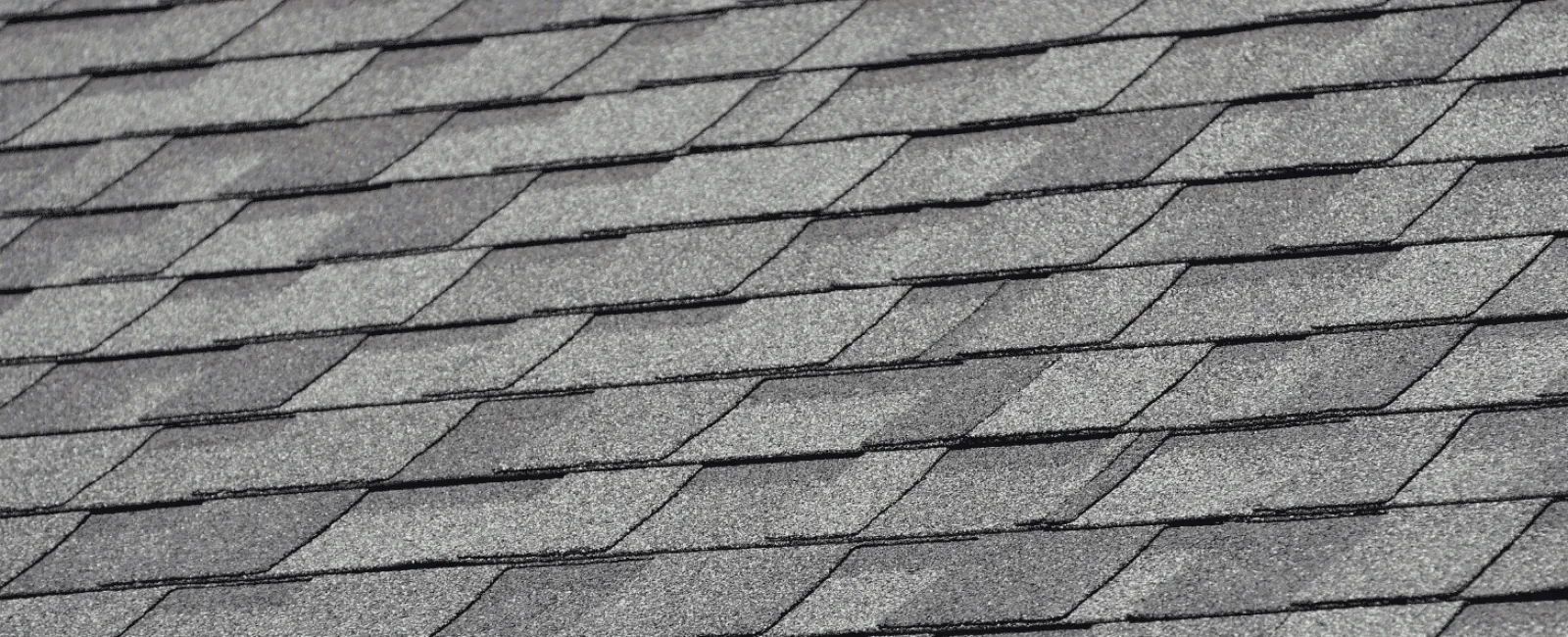
If you've ever driven through a Georgia neighborhood and noticed the roofs around you, chances are you were looking at fiberglass shingles. They're on roughly 80% of homes across the United States, and probably even higher in Georgia. But here's the interesting part: most homeowners have no idea what's actually on their roof.
When we tell customers "you have fiberglass asphalt shingles," they often look confused. "I thought they were just... shingles?" The truth is, understanding what fiberglass shingles are, how they differ from alternatives, and whether they're the right choice for your Georgia home matters when you're facing a $15,000+ roof replacement decision.
At EXOVATIONS, we've installed thousands of roofs across Georgia since 1996. This guide breaks down everything you need to know about fiberglass shingles without the technical jargon or sales pressure.
What Are Fiberglass Shingles, Actually?
When people say "asphalt shingles," they're almost always talking about fiberglass shingles, even if they don't realize it. Here's what you're actually looking at:
The core structure: A thin mat made of woven fiberglass strands. This mat is lightweight but incredibly strong—it's what gives the shingle its structural integrity.
The waterproofing: The fiberglass mat gets saturated with asphalt (a petroleum-based waterproofing material). This asphalt coating makes the shingle waterproof and weather-resistant.
The protective surface: Ceramic-coated mineral granules are pressed into the top surface. These granules protect against UV damage, add color, and can include special features like algae resistance.
The backing: A release film or backing material on the bottom prevents shingles from sticking together in the bundle and helps with installation.
The result looks like a traditional roof shingle, performs reliably in most climates, and costs less than premium roofing materials like metal, tile, or slate.
Fiberglass vs. Organic Shingles: Why It Matters
Here's where it gets interesting. Not all asphalt shingles use a fiberglass mat. There's an older type called organic shingles (also called felt-based or rag-felt shingles) that use a base of recycled paper, wood fibers, and cellulose instead of fiberglass.
Why Organic Shingles Exist
Organic shingles were the original asphalt shingle technology, developed decades before fiberglass became standard. They use a thicker, heavier mat made from organic materials that's saturated with asphalt.
The theoretical advantages:
- Some roofers claim they're more flexible in extreme cold
- They can be somewhat more tear-resistant during installation
- The thicker mat can feel more substantial
The real-world problems:
- They're much heavier (about 40% heavier than comparable fiberglass shingles)
- The organic mat can absorb moisture over time, leading to rot and premature failure
- They're more susceptible to fire (lower fire ratings)
- They typically have shorter lifespans, especially in humid climates
- They cost more due to lower production volumes
- They're being phased out by most major manufacturers
Why Fiberglass Dominates in Georgia
For Georgia's climate specifically, fiberglass shingles are the clear winner. Here's why:
Moisture resistance: Georgia's high humidity and frequent rain would be devastating to organic shingles. The organic mat can absorb moisture, leading to rot, mold, and structural failure. Fiberglass doesn't absorb water.
Weight and structural load: Georgia homes, especially older ones, weren't always built to handle extremely heavy roofs. Fiberglass shingles put less stress on your roof structure.
Heat performance: Our brutal summers mean your roof endures intense UV exposure. Fiberglass shingles handle heat better and maintain their integrity longer than organic options.
Longevity: In Georgia's climate, quality fiberglass shingles last 25-30+ years. Organic shingles in the same conditions might only last 15-20 years.
Fire resistance: Fiberglass shingles typically achieve Class A fire ratings (the highest), which matters for insurance and safety.
Bottom line: unless you're in a very specific climate situation (think extremely cold and dry, like Montana or northern Canada), fiberglass shingles are the better choice. In Georgia, it's not even close.
The Real Advantages of Fiberglass Shingles
Let's talk about what makes fiberglass shingles a smart choice for most Georgia homeowners.
Proven Performance and Longevity
Quality fiberglass architectural shingles from manufacturers like GAF, CertainTeed, or Owens Corning will last 25-30 years in Georgia when properly installed and maintained. Some premium lines come with 50-year or limited lifetime warranties.
That's a long time. If you install a roof at 45 years old, it'll likely outlast your time in the home. Even if you replace your roof at 35, it should still be performing well when you're 60-65.
The key phrase is "when properly installed." Fiberglass shingles are only as good as the installation. Poor installation techniques will cause premature failure regardless of shingle quality.
Cost-Effectiveness
Fiberglass shingles offer the best balance of upfront cost and long-term performance for most budgets.
Typical Georgia pricing (as of 2025):
- 3-tab fiberglass shingles: $3.50-$5.00 per square foot installed
- Architectural fiberglass shingles: $4.50-$7.00 per square foot installed
- Designer fiberglass shingles: $7.00-$12.00 per square foot installed
For a typical 2,000 square foot roof:
- 3-tab: $7,000-$10,000
- Architectural: $9,000-$14,000
- Designer: $14,000-$24,000
Compare that to metal roofing ($10-$16 per square foot), tile ($12-$25 per square foot), or slate ($20-$40 per square foot), and the value proposition becomes clear.
You're getting a roof that'll last 25-30 years for a fraction of the cost of premium materials. For most homeowners, that math makes sense.
Incredible Variety of Styles and Colors
This is where fiberglass shingles really shine. The variety available is staggering.
Shingle profiles:
- 3-tab (basic, flat appearance)
- Standard architectural (dimensional, textured look)
- High-definition architectural (extra thickness and shadow lines)
- Designer/luxury (mimics wood shake, slate, or tile)
Color options: Dozens of color choices from every manufacturer, ranging from classic blacks and grays to browns, greens, blues, and even reds. Most colors come in multi-tonal blends that add depth and visual interest.
Special features:
- Algae-resistant formulations (essential in Georgia)
- Impact-resistant options for hail protection
- Cool roof technology for heat reflection
- Enhanced wind resistance ratings
- Extended warranty options
Whatever look you want for your home, you can almost certainly achieve it with fiberglass shingles at a reasonable price point.
Lightweight Installation
The fact that fiberglass shingles are lighter than organic shingles or premium materials matters more than you might think.
Why weight matters: Your roof structure was engineered to handle a specific load. Heavier materials put more stress on rafters, trusses, and the entire structure. In Georgia, where many homes are older and some were built with minimum code requirements, staying within weight limits prevents structural issues.
Installation implications: Lighter materials are easier and safer to install. Crews can work more efficiently, which can reduce labor costs. There's less risk of damage to the existing structure during installation.
Replacement considerations: If you're replacing an old roof, going from heavy organic shingles or old materials to modern lightweight fiberglass actually reduces the structural load, which can extend the life of your roof framing.
Weather Performance in Georgia's Climate
Georgia throws everything at your roof: intense summer heat, UV exposure, high humidity, heavy rain, occasional hail, and strong thunderstorm winds.
How fiberglass shingles handle it:
Heat and UV: The ceramic granules on quality fiberglass shingles reflect UV rays and resist fading. The asphalt remains stable in high heat, and the fiberglass mat doesn't degrade from sun exposure.
Rain and moisture: The asphalt coating provides excellent waterproofing. Because fiberglass doesn't absorb water, there's no risk of the shingle mat deteriorating from moisture exposure.
Wind: Modern architectural fiberglass shingles are rated for 110-130 mph winds when properly installed. That's more than adequate for Georgia's typical weather, even during severe thunderstorms.
Algae: This is Georgia's big roof enemy. That black streaking you see on roofs? That's Gloeocapsa magma algae, and it thrives in our humid climate. Most quality fiberglass shingles now come with algae-resistant copper or zinc granules that inhibit growth for 10-25 years.
The Honest Disadvantages of Fiberglass Shingles
Nothing's perfect. Here's what you should know about the limitations of fiberglass shingles.
Shorter Lifespan Than Premium Materials
A quality fiberglass shingle roof will last 25-30 years in Georgia. A metal roof might last 40-50 years. A slate roof could last 75-100+ years.
Is this actually a problem? For most homeowners, no. Here's why:
- Most people don't own their home for 40+ years
- The cost difference between fiberglass and premium materials is substantial
- Roofing technology improves over time—a roof installed in 2025 will be replaced with better materials in 2055
- After 30 years, you might want to update your roof's appearance anyway
The 25-30 year lifespan is a limitation compared to premium materials, but it's not a dealbreaker for most situations.
Susceptible to Impact Damage
Standard fiberglass shingles can be damaged by hail, falling branches, or foot traffic during maintenance.
The context matters: Georgia doesn't see frequent large hail like areas of Texas or the Great Plains. Small hail (under 1 inch) typically doesn't damage quality shingles. Large hail (2+ inches) will damage almost any roofing material except concrete tile or slate.
The solution if you're concerned: Impact-resistant fiberglass shingles rated UL 2218 Class 4 are available. They cost about 10-20% more but offer significantly better impact protection. They can also qualify you for homeowner's insurance discounts.
Not as Eco-Friendly as Some Alternatives
Fiberglass shingles are petroleum-based products. They're not biodegradable, and disposal creates landfill waste.
The full picture:
- Many manufacturers now incorporate recycled materials into shingles
- Metal roofs can be recycled, but their production uses significant energy
- The energy used to produce metal or mine slate also has an environmental impact
- Some areas have shingle recycling programs that turn old shingles into road paving material
If environmental impact is your top priority, metal or recycled rubber roofing might be better choices. But fiberglass shingles aren't environmental disasters either—they're middle-of-the-pack.
Temperature Brittleness in Extreme Cold
In extremely cold climates (think Minnesota, Montana, or Canada), fiberglass shingles can become brittle and more prone to cracking.
Does this matter in Georgia? No. Our winters are mild. Even our coldest days rarely reach the temperatures where this becomes an issue. This disadvantage is irrelevant for Georgia homeowners.
Installation Quality: The Make-or-Break Factor
You can buy the best fiberglass shingles available, but poor installation will cause premature failure and void your warranty.
What proper installation requires:
Complete tear-off: Never install new shingles over multiple layers of old roofing. One layer of existing shingles might be acceptable depending on manufacturer guidelines, but complete tear-off is always better.
Deck inspection and repair: Before new shingles go on, the roof deck (plywood or OSB sheathing) needs to be inspected. Damaged, rotted, or warped boards must be replaced.
Quality underlayment: Synthetic underlayment provides critical waterproofing backup. It protects your roof deck if shingles ever fail.
Proper flashing: Chimneys, skylights, vents, and valleys need properly installed flashing. Most roof leaks happen at flashing points, not through the shingles themselves.
Correct nailing: Each shingle requires the right number of nails, in the right locations, driven to the right depth. Overdriven nails tear the shingle. Underdriven nails don't seal properly. Misplaced nails compromise wind resistance.
Adequate ventilation: Your attic needs proper intake and exhaust ventilation to prevent heat and moisture buildup that can age shingles prematurely.
Manufacturer specifications: Every manufacturer provides detailed installation instructions. Following them isn't optional—it's required for warranty coverage.
At EXOVATIONS, we follow manufacturer specifications exactly because we know that's how you get the full 25-30 year lifespan from fiberglass shingles. Shortcuts during installation cost homeowners thousands of dollars in premature replacements.
Are Fiberglass Shingles Right for Your Georgia Home?
For most Georgia homeowners, the answer is yes. Here's when fiberglass shingles make the most sense:
You should choose fiberglass shingles if:
- Your budget is $8,000-$20,000 for a typical roof replacement
- You want proven performance with a 25-30 year lifespan
- Your home's architectural style works with a traditional shingle appearance
- You need good weather performance without premium material costs
- You want a wide color and style selection
- Your neighborhood consists primarily of homes with asphalt shingles
Consider alternatives if:
- You have an unlimited budget and want maximum longevity (consider metal or slate)
- Your home has a unique architectural style that demands specific materials (Mediterranean homes might need tile)
- You're in a historic district with material restrictions
- You plan to stay in the home 40+ years and want to minimize lifetime roof replacements
For the vast majority of Georgia homes, quality fiberglass architectural shingles from a reputable manufacturer, professionally installed by an experienced contractor, will deliver excellent value and performance.
Getting Started with Your EXOVATIONS Roof Project
At EXOVATIONS, we've been installing fiberglass shingle roofs across Georgia for nearly 30 years. We work with top manufacturers like GAF, CertainTeed, and Owens Corning to ensure you get quality materials backed by solid warranties.
Our process is straightforward:
Free consultation and inspection: We'll examine your current roof, discuss your goals and budget, and explain your options honestly.
EXOvision™ visualization: See exactly how different shingle colors and styles will look on your specific home before you commit.
Transparent pricing: We provide detailed, written estimates with our price guarantee. No surprises, no hidden costs.
Professional installation: Our certified crews follow manufacturer specifications exactly, ensuring your warranty remains valid and your roof performs as expected.
Limited lifetime workmanship warranty: We stand behind our installation work for as long as you own your home.
On-time, on-budget completion: We coordinate everything from permits to cleanup, keeping the project stress-free.
Most importantly, we won't push you toward products you don't need. If architectural fiberglass shingles are the right choice for your home and budget, we'll tell you that. If there's a better option, we'll explain why.
Ready to discuss your roof replacement? Contact EXOVATIONS for a free, no-pressure consultation. We'll inspect your roof, show you samples, explain your options, and provide a detailed quote. Let's make your roofing project stress-free.
EXOVATIONS is Georgia's premier exterior remodeling company, established in 1996. We specialize in roofing, siding, windows, and decks throughout the Atlanta metro area including Cumming, Alpharetta, Marietta, Roswell, Johns Creek, Sandy Springs, and surrounding communities. Licensed, insured, and manufacturer-certified.


